
Respect Without Fear
Tol, when I was growing up, “respect” often came with a side of fear. One stern look from Tatay and I knew I had crossed the line. That worked back then, or so we thought. But as I’ve been raising my own kids, I’ve realized that teaching respect without breaking their spirit is not just possible, it’s the way God calls us to parent.
Discipline isn’t about control, it’s about guidance. And in today’s Filipino households, with kids growing up exposed to global ideas and instant information, we need approaches that balance firmness with grace.
Why the Old Ways Don’t Always Work Anymore
1. Times Have Changed
Our parents raised us in a more hierarchical culture. Today’s generation is more curious, outspoken, and independent-minded.
2. Fear Can Lead to Rebellion
A child who obeys only because of fear may follow rules in front of you, but secretly resent them, and you.
3. Respect Should Flow from Love
The Bible says in Ephesians 6:4:
“Fathers, do not exasperate your children; instead, bring them up in the training and instruction of the Lord.”
It’s clear, God’s standard for discipline is rooted in love, not intimidation.
Principles for Teaching Respect Without Breaking Their Spirit
1. Model the Respect You Expect
Kids learn more from what they see than from what they hear. Speak respectfully to your spouse, helpers, and even strangers, your children are watching.
2. Set Clear Boundaries and Explain Why
Instead of just saying, “Because I said so,” explain the reason behind rules. This helps kids see discipline as protection, not punishment.
3. Discipline with Calm, Not Rage
If you need to cool off before addressing a misbehavior, do it. Harsh words spoken in anger can damage a child’s heart more than the correction helps.
4. Praise Character, Not Just Compliance
Instead of “Good job for doing what I said,” try “I appreciate how you spoke kindly to your sister.” This reinforces values, not blind obedience.
Modern Discipline Strategies for Filipino Kids
| Challenge | Faith-Rooted Approach |
|---|---|
| Talking back | Teach active listening and model calm dialogue. |
| Not following chores | Use natural consequences, no screen time until it’s done. |
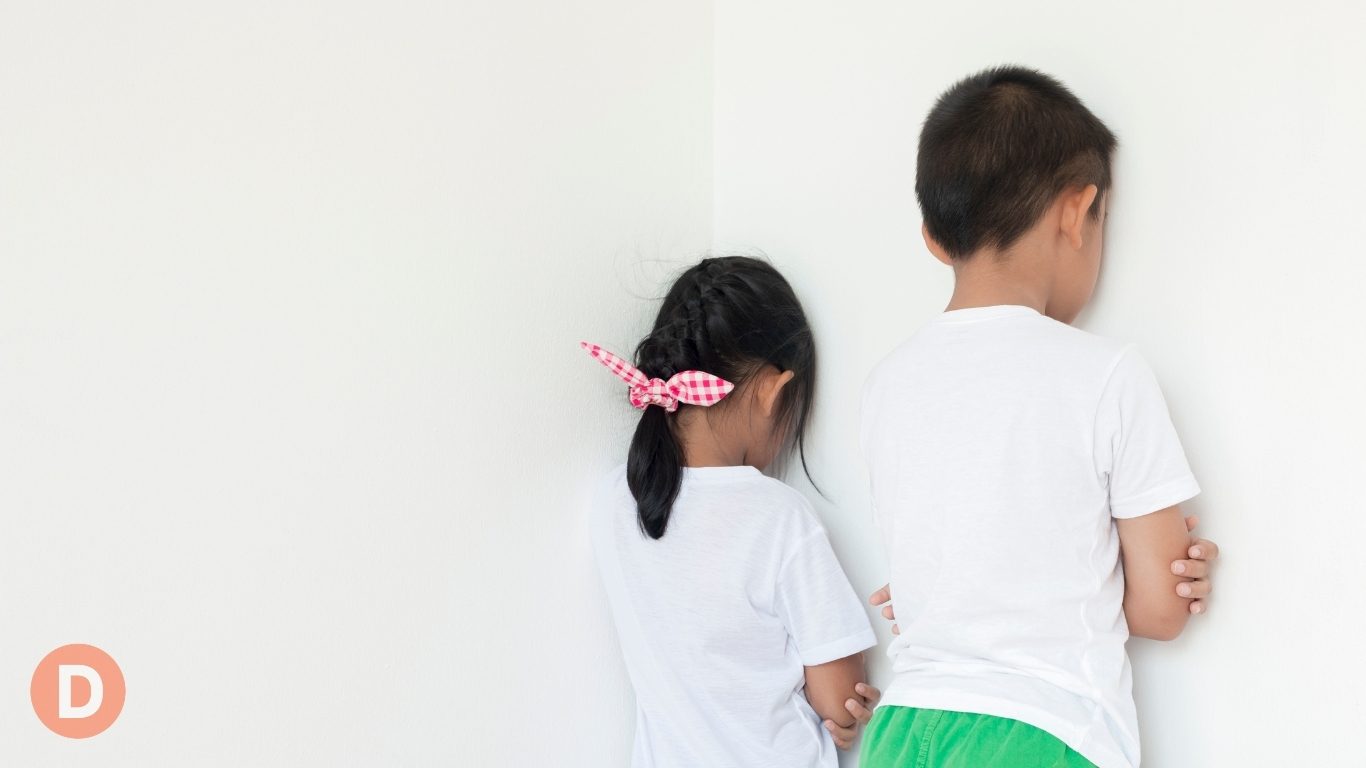
| Sibling fights | Guide them to apologize and reconcile, not just “say sorry” for the sake of it. |
| Disrespect to elders | Explain cultural and biblical reasons for honoring elders, then role-play respectful behavior. |
How This Looks in a Filipino Home
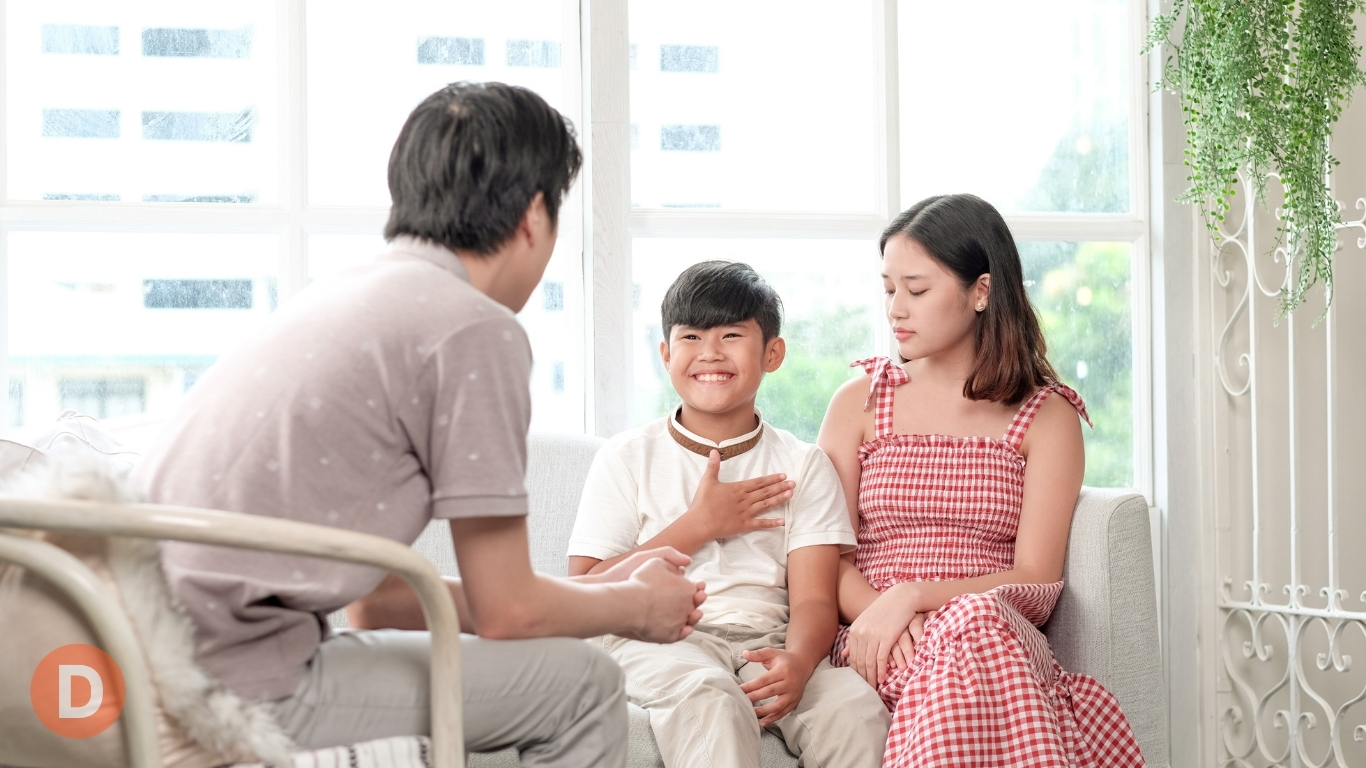
In our house, we’ve made it a rule that disrespect is addressed immediately, but never with humiliation. If my son speaks rudely, I call him aside privately. I explain why his words hurt, ask him to reflect, and give him space to own up and make amends.
By doing this, I’ve noticed something, our kids aren’t afraid to talk to us. They know we’ll listen, even if we disagree. And that respect goes both ways.
The Payoff of Gentle but Firm Discipline
Pare, here’s the truth, teaching respect without breaking their spirit takes patience, prayer, and persistence. But the reward is a relationship built on trust and love.
When we discipline God’s way, we raise kids who respect us not just because we’re their parents, but because they see Christ in us.
As Proverbs 22:6 reminds us:
“Train up a child in the way he should go; even when he is old he will not depart from it.”
And that’s a legacy worth leaving.