

The Discipline Dilemma
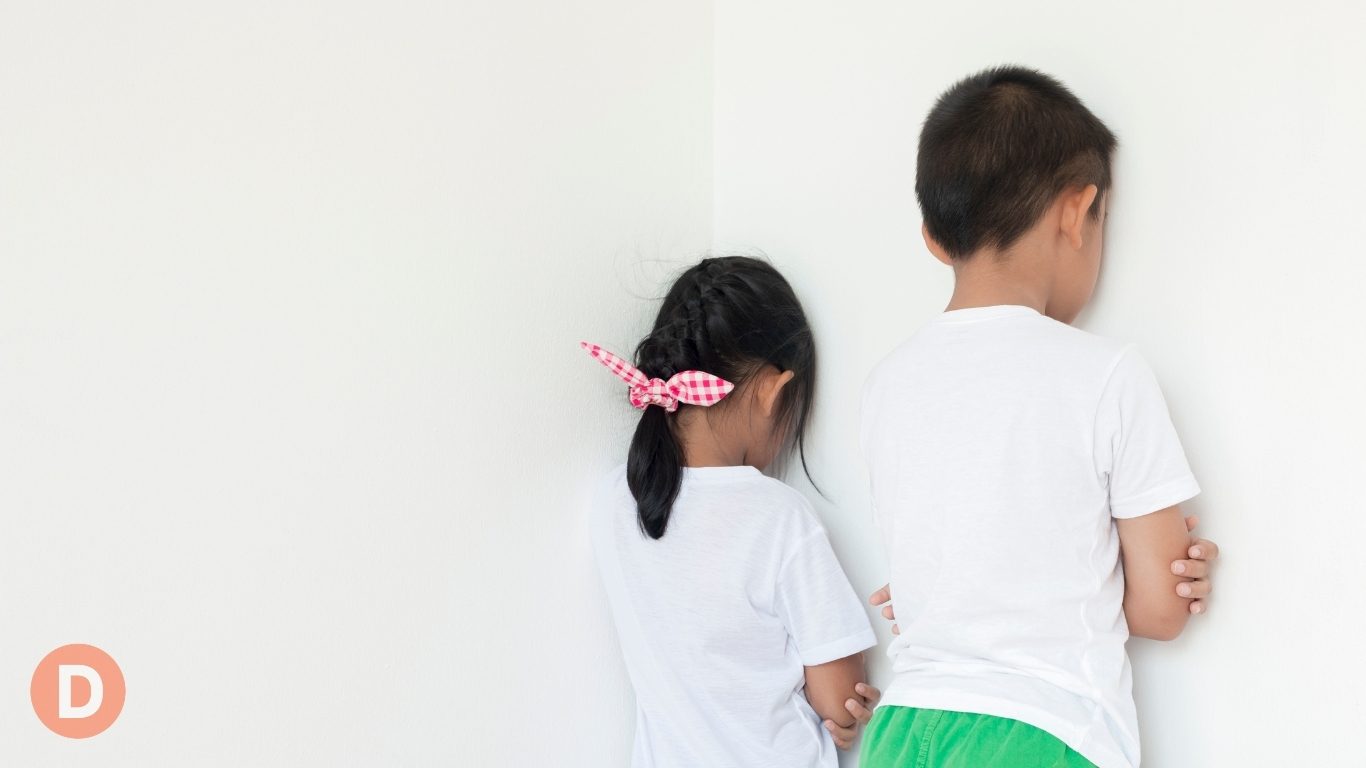
Tol, let’s be real. Growing up, many of us Filipino kids heard phrases like “Basta sundin mo!” or “Ako ang tatay, ako masusunod!” Discipline back then often meant fear instead of understanding.
Now as dads ourselves, we wrestle with the question: How do we teach respect without crushing our kids’ confidence? That’s the heart of modern discipline for Filipino kids, building character with both firmness and grace.
The Old vs. New Way of Discipline
In many Filipino households before:
- Respect was demanded, not explained.
- Obedience was measured by silence, not understanding.
- Love was sometimes overshadowed by strict rules.
But modern fatherhood calls us to something different, discipline rooted in love, not fear.
Modern Discipline for Filipino Kids: Key Principles
1. Discipline as Teaching, Not Punishment
The word “discipline” comes from “disciple”, a learner. Our goal isn’t to make our kids afraid but to help them grow in wisdom.
2. Boundaries with Compassion
Instead of “Do this or else”, we explain the why behind the rules. Respect grows when kids feel heard, even if they don’t always agree.
3. Firm but Gentle Consequences
Natural consequences (like finishing homework before playtime) work better than harsh punishments. It’s consistent, fair, and easier for kids to grasp.
4. Modeling Respect in Action
Kids learn more from what they see than what they hear. If they see us speaking respectfully to their mom, elders, and even waiters at Jollibee, they’ll mirror it.
Biblical Perspective: Guiding With Love, Not Fear
Ephesians 6:4 says:
“Fathers, do not exasperate your children; instead, bring them up in the training and instruction of the Lord.”
Biblical discipline is never about breaking a child’s spirit. It’s about shaping their heart. Modern discipline for Filipino kids calls us to use correction as a tool for growth, not humiliation. When we discipline in love, we reflect the patience and kindness of our Heavenly Father.
Practical Applications in a Filipino Household
Here’s how this looks in everyday parenting:
- At mealtime: Teach respect by making everyone wait until lolo and lola are served before eating.
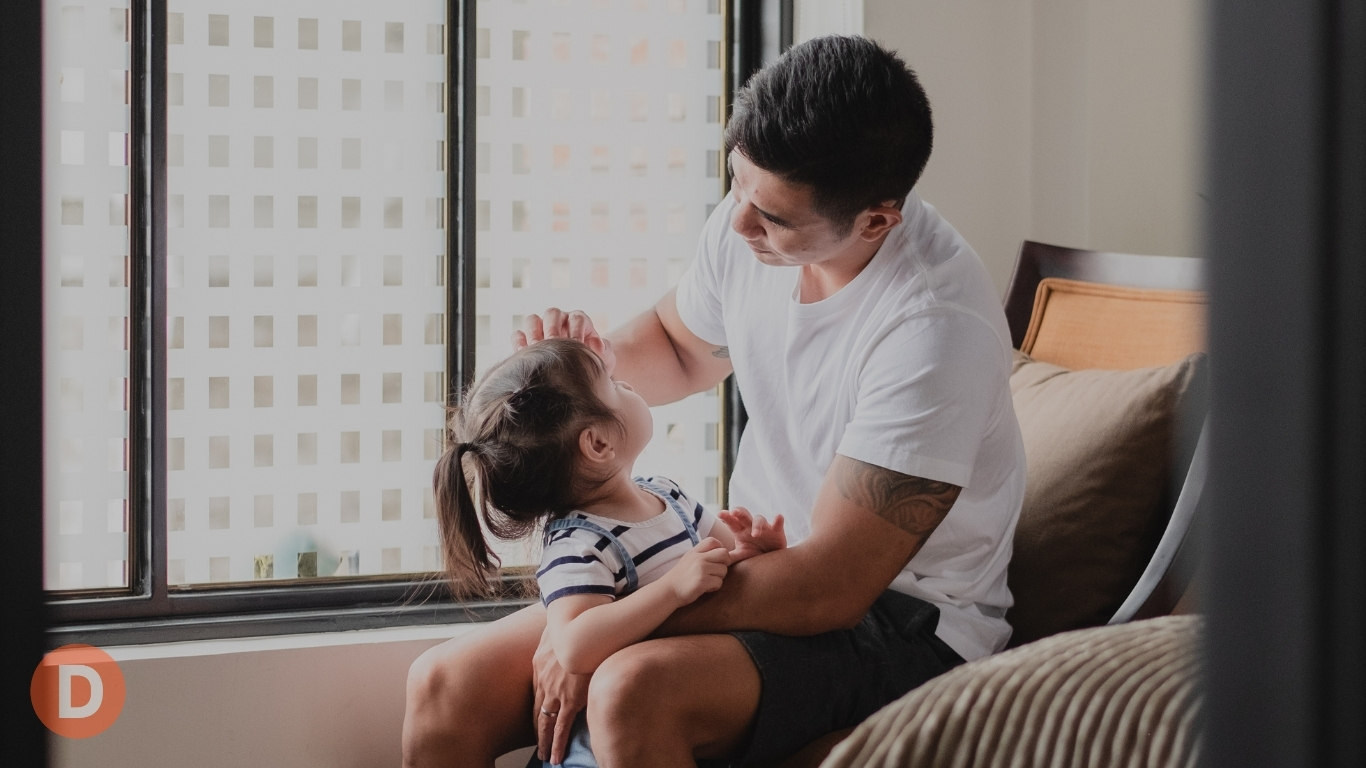
- During tantrums: Respond calmly, letting kids know feelings are valid but actions have limits.
- In chores: Encourage responsibility by assigning age-appropriate tasks and appreciating effort.
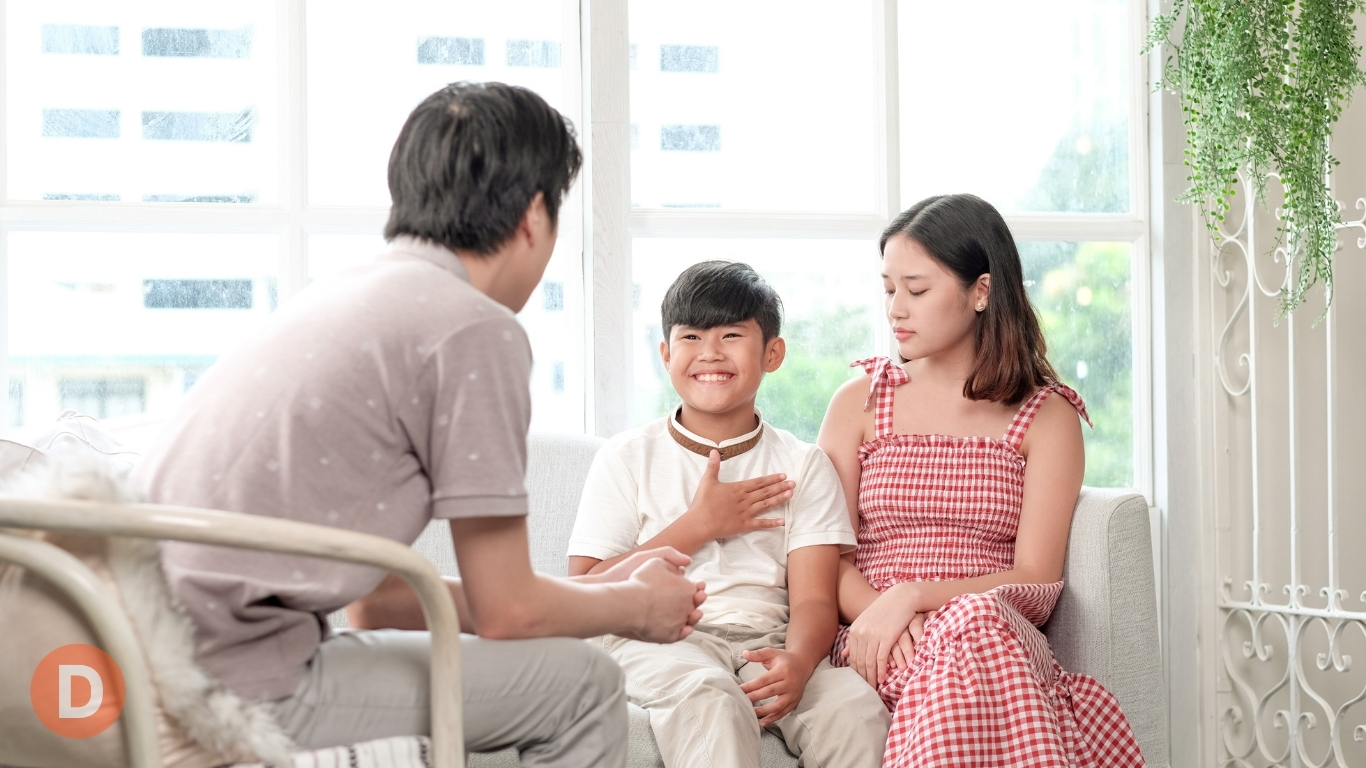
- In conflicts: Guide siblings to apologize sincerely, not just say “sorry” out of obligation.
Respect That Builds Up, Not Tears Down
Tol, modern discipline for Filipino kids isn’t about being lax or letting kids rule the house. It’s about shaping respect through guidance, not fear.
When we balance firmness with empathy, boundaries with love, and discipline with grace, we raise kids who not only obey, but understand, value, and live out true respect.
That’s the kind of legacy we want to leave as Filipino dads.