The Questions We Fear
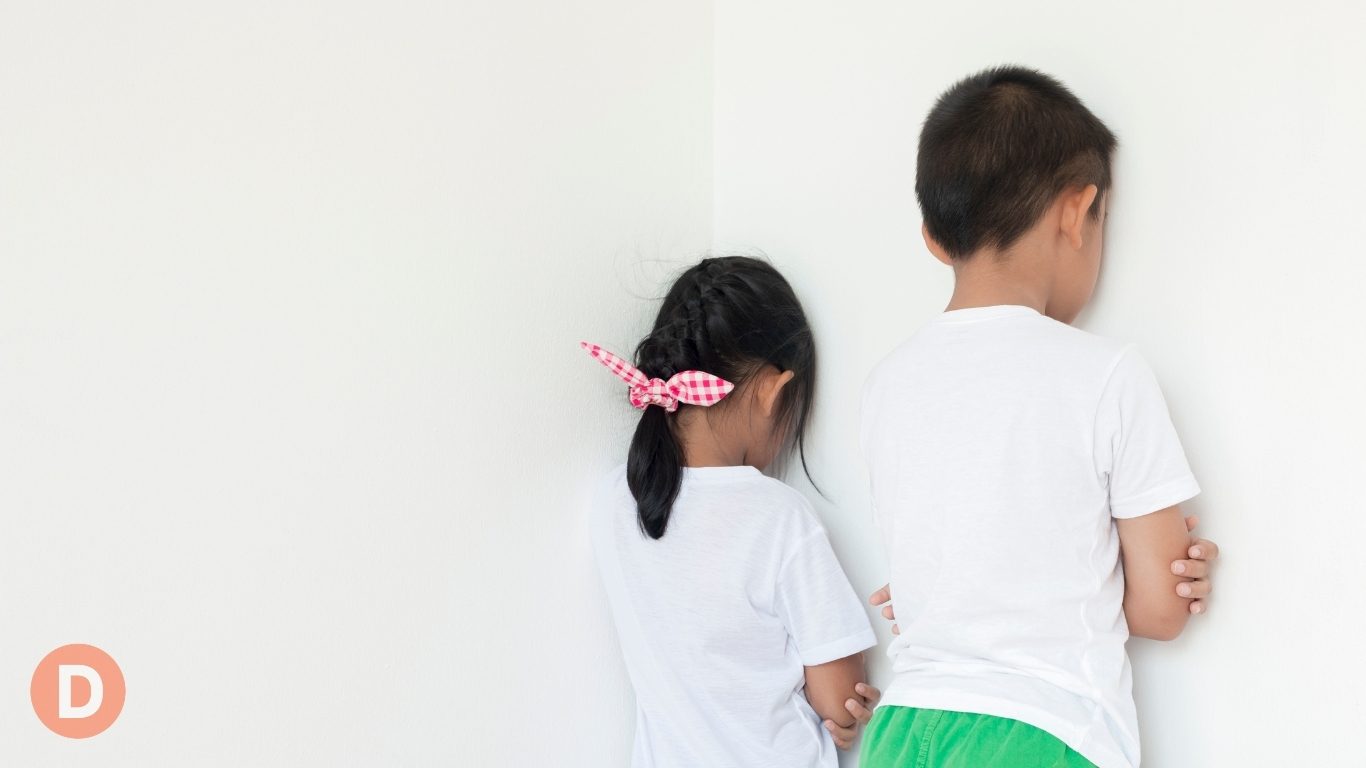
Tol, let’s be honest. When our kids suddenly ask tough questions like, “Does God really hear my prayers?” or “How do we know the Bible is true?”, it can feel scary. For years, I thought shutting down doubts was the way to protect their faith. But I realized something powerful: creating safe spaces for kids to question their faith actually strengthens, not weakens, their relationship with God.
This shift in perspective was hard for me as a Filipino dad who grew up in a “don’t-question, just-believe” environment. But the truth is, if our kids don’t feel safe asking their hardest questions at home, they’ll ask them elsewhere, and they may not like the answers they get.
That’s why my wife and I committed to creating safe spaces for kids to question their faith within our family. And here’s what we’ve learned.
Why Safe Spaces Matter in a Filipino Household
1. Kids Need Room to Process
Faith is personal, and kids need the freedom to wrestle with it. When they’re young, questions start small, “Why do we pray before meals?” As they grow, questions deepen. If we don’t allow safe spaces, their doubts can quietly turn into distance.
2. Silence Breeds Shame
In Filipino culture, respeto is big. But sometimes, respect has been misunderstood as not questioning at all. By shutting down honest questions, kids may feel guilty for even doubting.
3. Trust Is Built in Honest Conversations
When kids know they can ask without fear, they trust us more. And trust is the soil where faith can grow deep roots.
How We Create Safe Spaces at Home
1. Respond With Curiosity, Not Condemnation
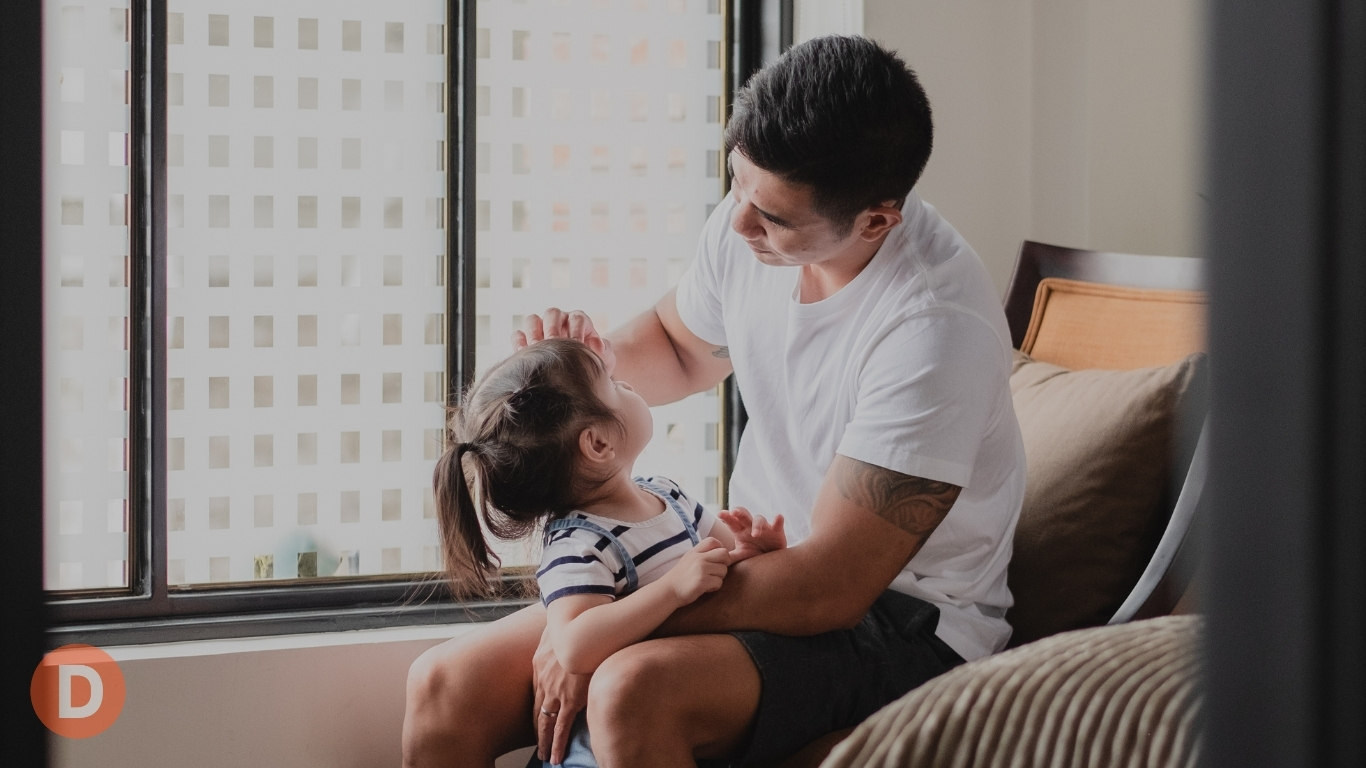
When my son asked, “Dad, how do we know God is real if we can’t see Him?”, my gut reaction was to panic. Instead, I asked, “That’s a great question, anak. What made you think about that?” This shifted the tone from judgment to curiosity.
2. Admit When We Don’t Know
Parents don’t need all the answers. Saying, “I don’t know, but let’s explore together,” models humility and keeps the conversation open.
3. Share Our Own Faith Journeys
I tell my kids about the times I doubted and how God met me there. This shows them that questioning is part of growing.
4. Provide Resources Together
We read kid-friendly devotionals, watch Christian videos, or even talk with our pastor as a family. This way, questions lead us to deeper exploration, not dead ends.
5. Keep the Door Open
The key to creating safe spaces for kids to question their faith is reminding them: “You can always ask me anything. Nothing you say will make me love you less.”
Biblical Perspective: Faith That Seeks Understanding
James 1:5 says:
“If any of you lacks wisdom, you should ask God, who gives generously to all without finding fault.”
Even Scripture encourages asking! Doubt isn’t the opposite of faith, it’s often the doorway to deeper faith.
When Thomas doubted Jesus’ resurrection, Jesus didn’t shame him. Instead, He invited Thomas to touch His wounds (John 20:27). That moment shows us why creating safe spaces for kids to question their faith matters: it’s through their questions that they encounter Jesus personally.
Practical Tips for Filipino Families
- At the dinner table: Ask, “What’s one question you’ve been thinking about God?”
- During bedtime prayers: Let kids lead with their honest words, even if they sound uncertain.
- After Sunday service: Encourage them to share what confused them in the sermon.
- Family devotions: Don’t rush to answers; let questions breathe.
The Fruit of Creating Safe Spaces
Since we started creating safe spaces for kids to question their faith, here’s what we’ve noticed:
- Deeper conversations about God and life.
- Stronger trust between us and our children.
- More resilient faith, they don’t just repeat answers, they own them.
- A joyful openness in our home where faith feels alive, not rigid.
Building Faith That Lasts
Pare, protecting our kids’ faith doesn’t mean controlling their questions. It means walking with them through doubt toward truth. By creating safe spaces for kids to question their faith, we teach them that God isn’t afraid of their questions, and neither are we.
And maybe that’s the most powerful lesson of all: faith isn’t fragile when it’s built on relationship, honesty, and God’s unshakable grace.